About Us
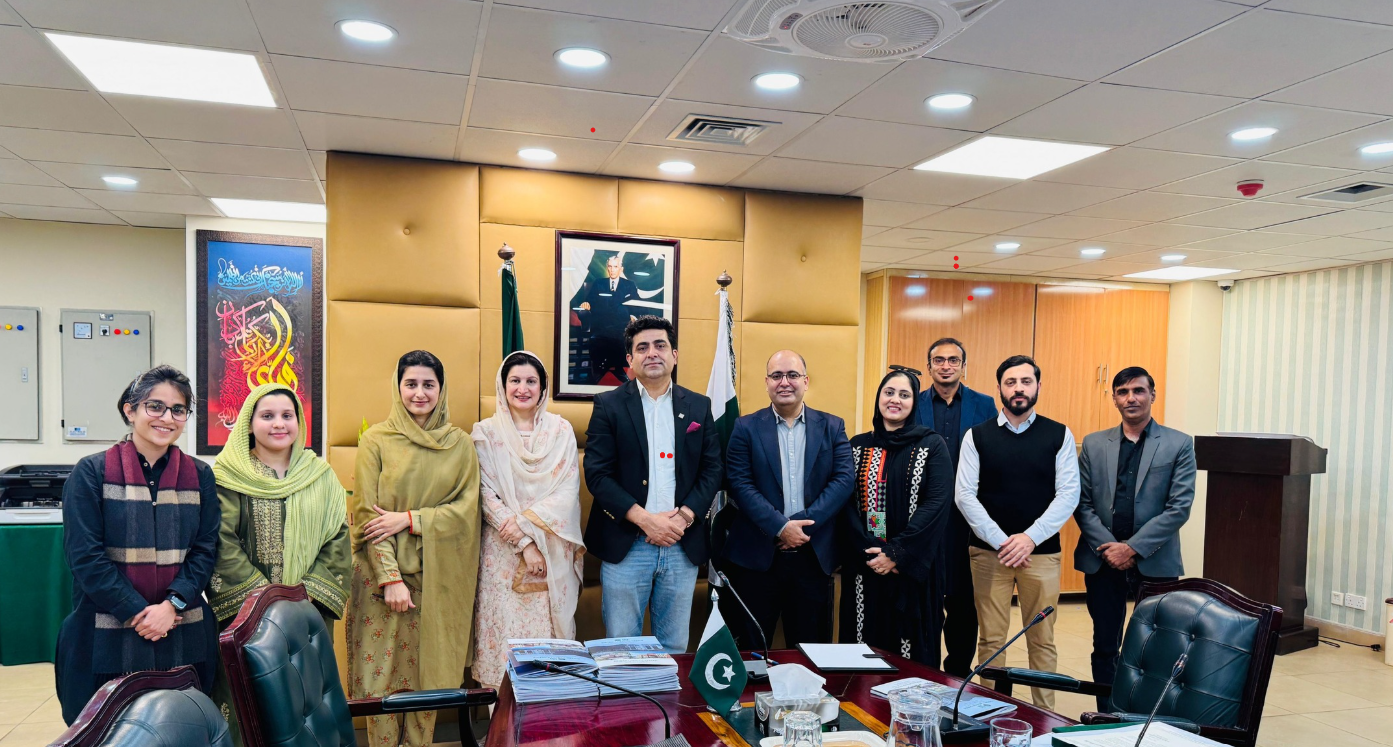
The District Health Office (DHO) Islamabad, established in 1981, emerged as a vital institution to address the healthcare needs of a then modest and growing capital city with a population of around 200,000. At that time, the city’s healthcare infrastructure was minimal, comprising only two public hospitals and a few Basic Health Units (BHUs), which struggled to meet the needs of the residents—particularly those in rural and peri-urban areas. Access to specialized services was extremely limited, and many patients had to travel long distances to receive even basic medical attention due to a shortage of trained professionals and the absence of modern medical technology. Recognizing these critical gaps, the government laid the foundation for a centralized and structured health governance system through the creation of the DHO Islamabad. Operating under the Ministry of National Health Services, Regulations and Coordination (MNHSR&C), the DHO was tasked with strengthening public health delivery, ensuring coordination across healthcare facilities, and implementing national health policies at the district level.Over the decades, as Islamabad expanded into a dynamic urban hub with a population now exceeding 2.4 million, the challenges in healthcare delivery also evolved. The growing population exerted immense pressure on existing health facilities, leading to overcrowding, limited access to care, and significant gaps in service provision in remote and underserved areas. In response to these demands, the DHO Islamabad has undertaken a wide range of strategic and transformative initiatives, particularly in the last five years. One of the most remarkable achievements has been the expansion of the healthcare network across the district, increasing the number of health facilities from 16 to 33. This expansion has improved the availability of primary healthcare services in previously neglected areas, ensuring more equitable access for all residents regardless of their location or socioeconomic background. Furthermore, the DHO has placed special focus on strengthening maternal and child health services, improving immunization coverage, and enhancing family planning initiatives. Programs like Family Health Days have played a critical role in reaching underserved populations with counseling, free contraceptives, and essential reproductive health services. The office has also demonstrated commendable leadership during public health emergencies, particularly in its robust responses to dengue outbreaks and the COVID-19 pandemic. With the implementation of smart lockdowns, mass awareness campaigns, testing, and vaccination drives, the DHO helped reduce infection rates and safeguard community health. In addition, the office has embraced digital transformation by integrating electronic health records and digital platforms for monitoring, reporting, and improving patient care and resource management. Today, the District Health Office Islamabad stands as a cornerstone of public health in the federal capital, functioning as a bridge between national health policies and the practical needs of the local population. Its role goes beyond routine healthcare service delivery—it is actively shaping the future of Islamabad’s health system through continuous improvement, collaboration with development partners, and community engagement. With a strong commitment to universal health coverage, the DHO remains focused on its mission to provide inclusive, high-quality, and accessible healthcare to every citizen, ensuring no one is left behind in the journey toward a healthier Islamabad.
Strengthening the Healthcare System in Islamabad
Over the past several years, the District Health Office (DHO) Islamabad has undertaken a strategic and holistic transformation to strengthen the healthcare system of Pakistan’s capital. Faced with increasing population demands, financial limitations, and the unprecedented challenges of the COVID-19 pandemic, the DHO has evolved into a dynamic institution, committed to ensuring equitable, efficient, and responsive healthcare for all residents—both in urban centers and in marginalized communities.
In 2019, Islamabad’s health system was under considerable strain due to rapid urbanization, legal and technical constraints, and under-resourced infrastructure. The emergence of COVID-19 further tested the system’s capacity. However, the DHO responded proactively by introducing smart lockdowns, conducting widespread testing, and launching comprehensive vaccination campaigns. These timely measures not only curbed the spread of the virus but also protected vulnerable populations and reduced the burden on tertiary hospitals like PIMS and Polyclinic. The experience highlighted the urgent need to decentralize healthcare services and modernize service delivery mechanisms.
To address these gaps, the DHO implemented a decentralized approach by upgrading Basic Health Units (BHUs) and Community Health Centers (CHCs) across the district. These facilities, once limited in function, were strengthened to offer a broader range of primary care services. As a result, patient care was brought closer to home, reducing dependency on overburdened central hospitals and improving health access in rural and peri-urban areas.
A major milestone in strengthening service integration was the merger of 13 Family Welfare Centers with Primary Healthcare Facilities. Previously operating in silos, these centers now offer coordinated services under one roof, including reproductive health, family planning, and maternal care. This integration has improved service efficiency, reduced fragmentation, and ensured more convenient and comprehensive healthcare for families.
Digital transformation played a central role in modernizing the healthcare system. The DHO digitized its Health Management Information System (HMIS), incorporating various specialized modules such as DHIS, EDMIS, LMIS, LHW MIS, NIMS, CCI, and Online Drug Licensing. This digital ecosystem has enabled real-time data collection, accurate reporting, and better decision-making at all levels. It has also ensured transparency, reduced manual errors, and enhanced monitoring and accountability across health programs.
Partnerships with national and international organizations such as WHO, UNICEF, Jhpiego, IRF, RIZ, and others have brought in critical technical expertise, resources, and innovation. These collaborations have supported infrastructure upgrades, especially in remote areas, helping bridge health inequity and ensuring services reach the underserved. Technical support has also been instrumental in building a resilient health workforce through regular training, mentoring, and performance improvement initiatives.
Health promotion and disease prevention became key pillars in the DHO’s strategy. Previously sporadic, public health education campaigns are now routinely conducted on important themes like family planning, water, sanitation, and hygiene (WASH), and disease prevention for dengue, malaria, and tuberculosis. The formation of Community Health Committees and launch of School Health Awareness Programs have further strengthened health literacy, fostered preventive practices, and created deeper community engagement.
To maintain high standards of service delivery, the DHO has prioritized capacity building. Health professionals across the district now receive targeted training to improve their skills, stay updated on guidelines, and better respond to evolving health challenges. This investment in human resources ensures a qualified, confident, and capable health workforce.
Additionally, the DHO has taken significant steps in disease surveillance, using real-time data tools to monitor trends, detect outbreaks early, and launch timely interventions. Whether managing communicable diseases like dengue, hepatitis, and tuberculosis, or ensuring routine immunization coverage through programs against polio, measles, and other vaccine-preventable diseases, the DHO has remained at the forefront of public health protection.
The DHO’s efforts have also focused on maternal and child health. Prenatal and postnatal care, nutritional support, safe delivery services, and family planning have been expanded
to reduce maternal and infant mortality rates. These interventions are directly aligned with national and global health goals, contributing to better outcomes for women and children.
In conclusion, the District Health Office Islamabad has successfully steered the city’s health system through a period of profound transformation. By focusing on decentralization, digital innovation, community outreach, capacity building, and partnerships, the DHO has created a more resilient, inclusive, and responsive healthcare system. It continues to adapt to emerging health needs while ensuring that no citizen is left behind—regardless of geography, income, or background. The journey reflects a strong commitment to sustainable public health advancement, setting a model for other districts in the country.