DENGUE ALERT & RESPONSE SYSTEM

Dengue Alert & Response System

Islamabad’s official public health surveillance initiative. The District Health Office remains resolutely committed to proactive vector control, early diagnostic reporting, and a highly coordinated public-health response to safeguard every neighborhood.
EPIDEMIOLOGICAL CONTROL & PREVENTION

Strategic Response & Surveillance

To effectively combat vector-borne risks, the District Health Office (DHO) Islamabad implements a highly integrated, science-led strategy. Our dedicated operations deploy specialized response teams and expert entomologists to conduct real-time habitat mapping and active field surveillance daily. By consolidating dynamic case reporting from both public and private hospitals across the capital, our comprehensive surveillance network enables swift identification of emerging hotspots. This targeted, data-driven approach ensures precision localized interventions and continuous monitoring, establishing a robust shield of preventive healthcare for our communities.

EPIDEMIOLOGICAL SURVEILLANCE & ACTION

Field Activities & Vector Control

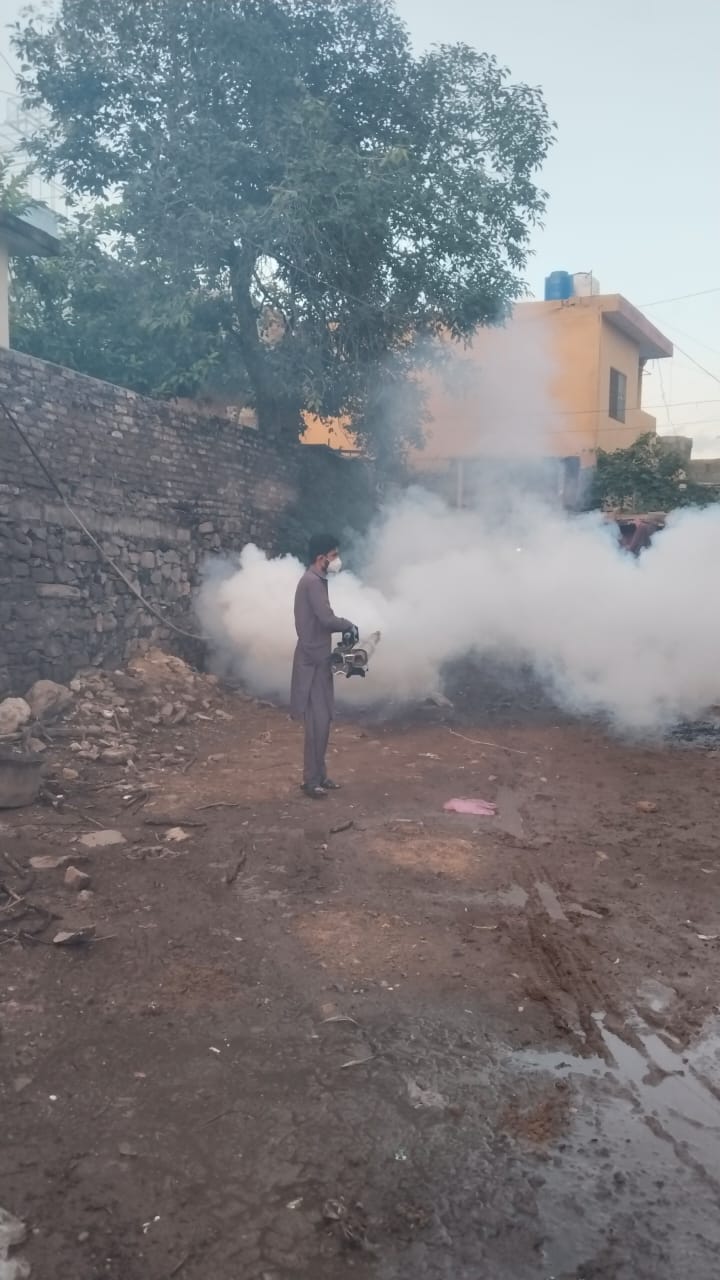
The District Health Office (DHO) Islamabad has accelerated field containment protocols to eliminate potential breeding sites. Our specialized teams execute intensive indoor residual spraying (IRS) and outdoor space spraying operations in highly vulnerable sectors. Meticulous larvicide operations target stagnant water bodies, coupled with strict entomological surveillance to monitor mosquito vector density and break the transmission cycle effectively.
Vector Control Operations Successfully Completed
2500000 +
PUBLIC HEALTH SAFEGUARDS

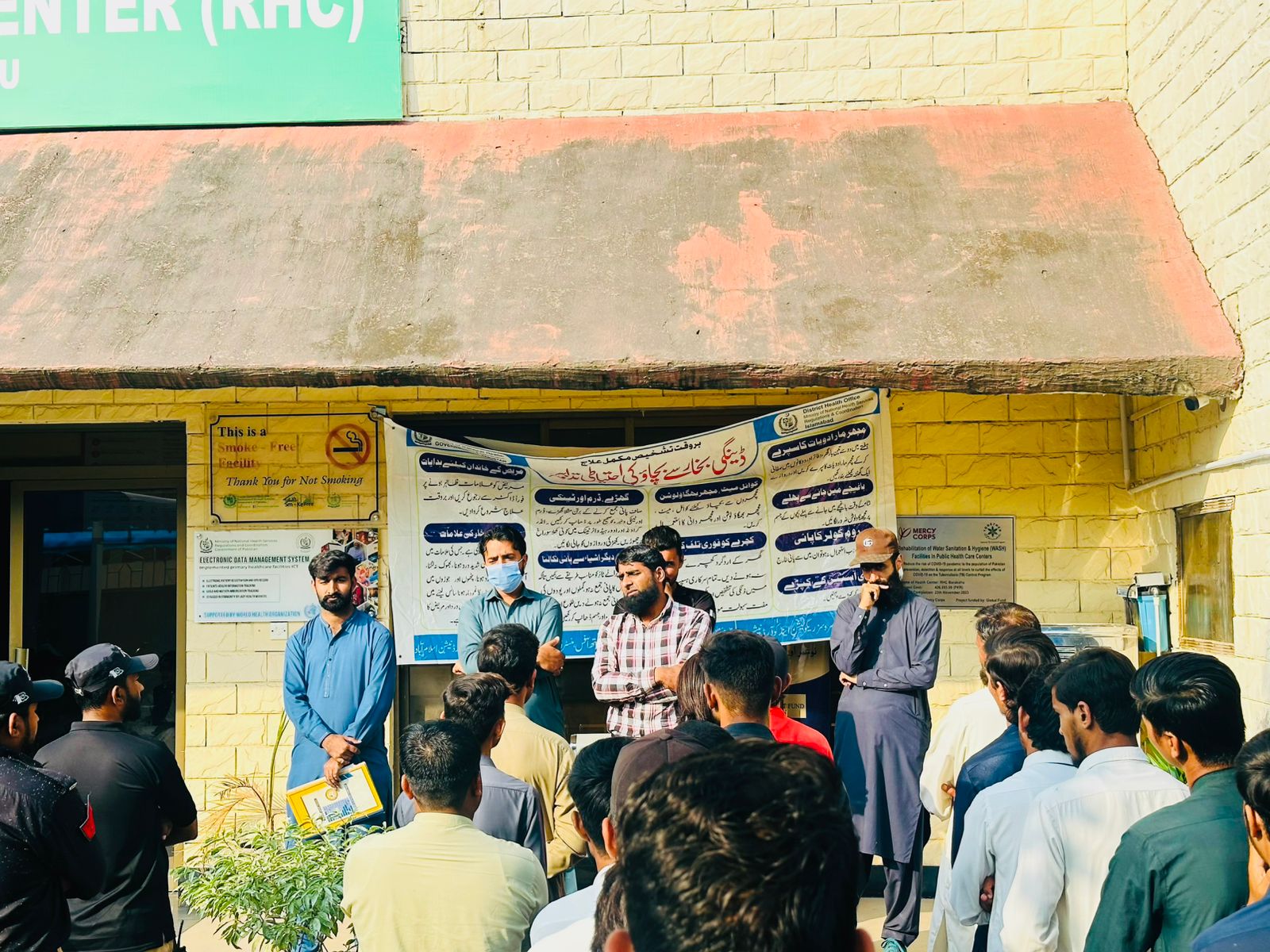
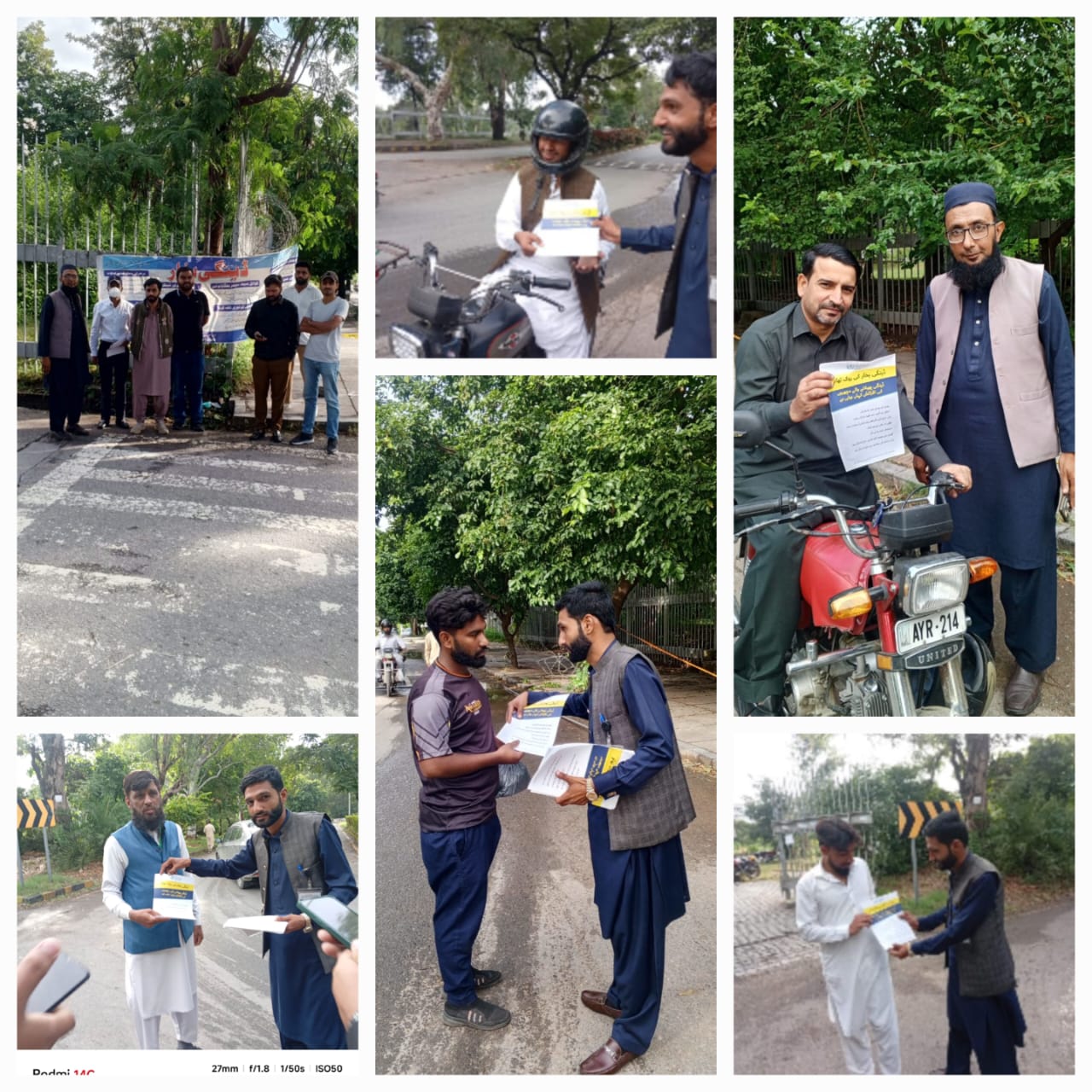
Community Awareness & Prevention

“The Dengue Prevention and Control Initiative not only protects public health but also carries substantial economic significance.”
PUBLIC HEALTH MONITORING & IMPACT

Relentless Efforts in Barakahu & Red Zone

Through coordinated teamwork and robust public health surveillance, our dedicated teams have spearheaded intensive field monitoring operations across Barakahu and key Red Zone localities. By targeting mosquito breeding vectors directly at their source and executing aggressive containment strategies, we have established a resilient line of defense. Simultaneously, we launched interactive community awareness and education sessions in the federal Secretariat, equipping civil servants and citizens alike with preventative strategies. This synchronized community-first approach has resulted in a remarkable, sustained decline in dengue cases, showcasing the power of effective administrative management and collective civic action.