Projects
Lets Change The World With Humanity
Teach self-denial and make its practice pleasure, and you can create for the world a destiny.
Charity is Not About Pity It is About Love.
Teach self-denial and make its practice pleasure, and you can create for the world a destiny.
Charity makes no decrease in property.
Teach self-denial and make its practice pleasure, and you can create for the world a destiny.
Charity is Not About Pity It is About Love.
Teach self-denial and make its practice pleasure, and you can create for the world a destiny.
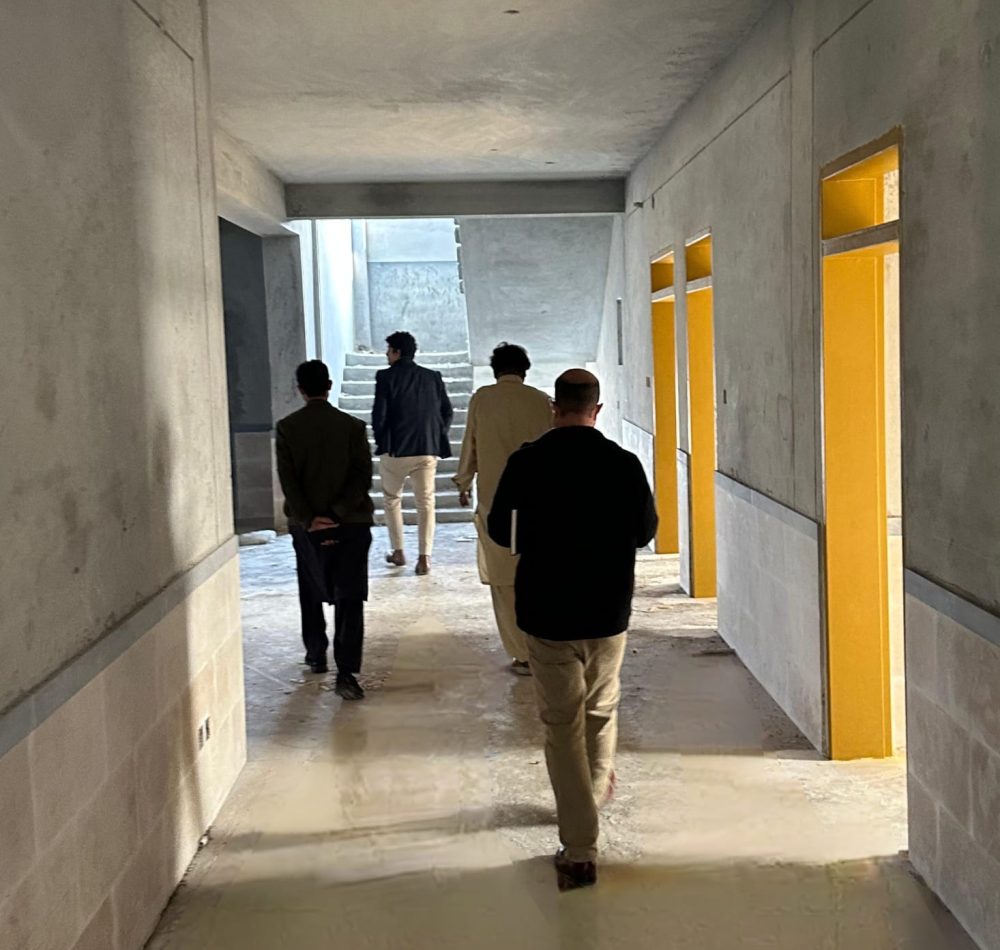
This project, approved on 12/10/2020, aims to establish three Basic Health Units (BHUs) and one Community Health Center (CHC) to provide basic health services to underserved populations in Islamabad. The components include the establishment of BHUs at Golra Sharif, Jhangi Syedan, and Sara-e-Kharbooza, as well as a CHC at G-13. Construction progress shows that the BHU at Golra Sharif and the CHC at G-13 are approximately 90% complete, while the BHU at Jhangi Syedan is 10% complete, and the BHU at Sara-e-Kharbooza is 3% complete. Overall, 65% of the construction work has been completed. Meanwhile, the recruitment of human resources and procurement processes are ongoing. The project’s objective is to A Basic Health Unit (BHU) is a primary healthcare facility in rural areas that provides essential health services like outpatient care, maternal health, and immunizations. BHUs aim to improve local access to basic healthcare and reduce pressure on larger hospitals. provide basic healthcare services at the doorstep of populations in low-density areas, thereby reducing the burden on tertiary care hospitals.


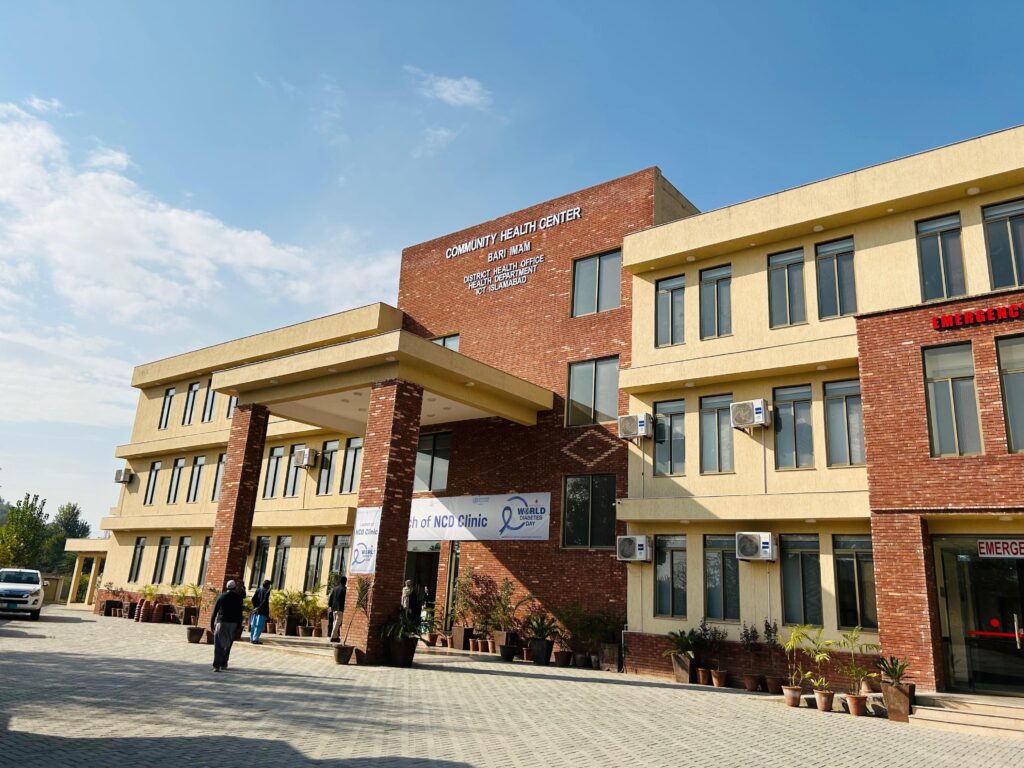
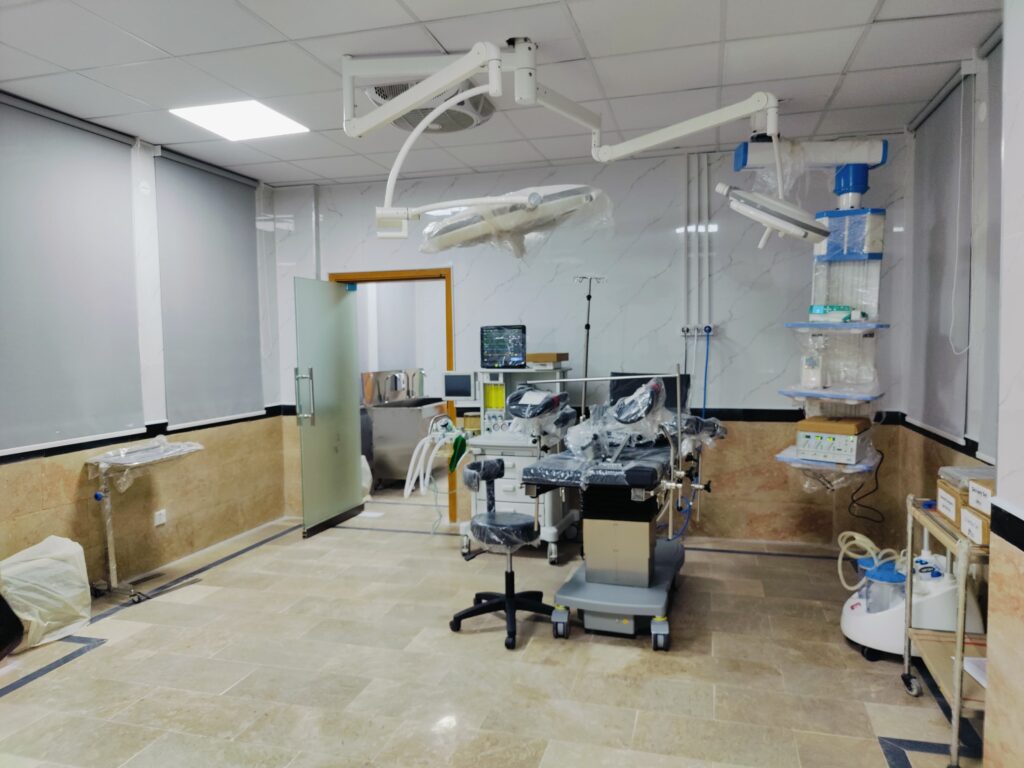
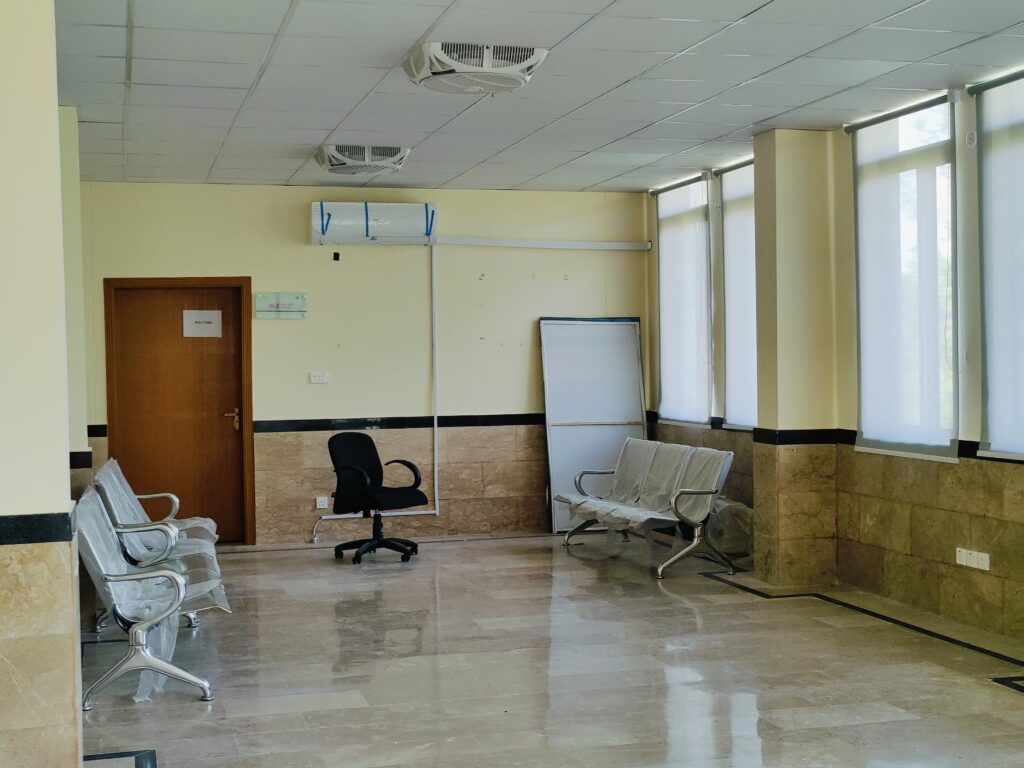
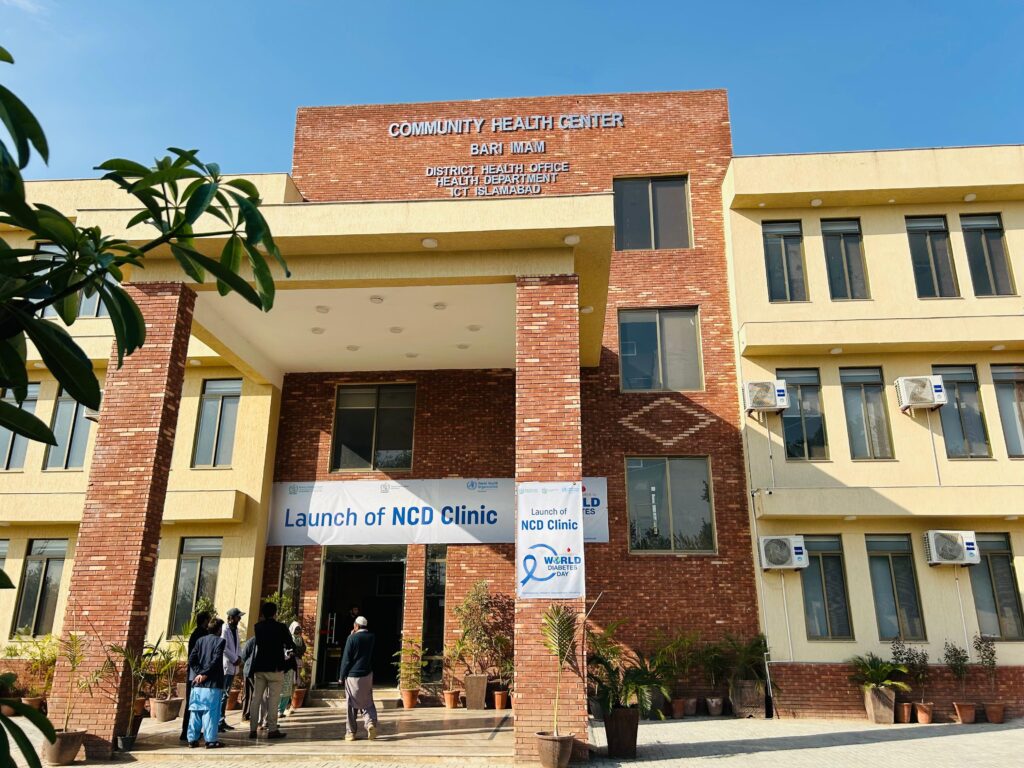
A project initiated to enhance rural health facilities and establish a Community Health Center (CHC) at Bari Imam, Islamabad, was approved on 6-5-2021. The project focuses on upgrading rural health units, creating 494 new positions, and equipping CHCs with specialized medical services such as general surgery, pediatrics, gynecology, and family planning. The construction of the CHC is 90% complete, with the remaining 10% ongoing. Recruitment of human resources and procurement of essential equipment are currently in progress. The CHC at Bari Imam is expected to serve an estimated population of 19,877, significantly reducing the patient load on other hospitals in the region. This initiative aims to improve access to quality healthcare services in rural areas and address the growing healthcare demands of underserved populations.
A project aimed at enhancing rural health facilities and establishing a Maternal, Neonatal, and Child Health Center (MNCHC) at Bhandana Kalan, Islamabad, was approved on 1-10-2021. The initiative focuses on improving healthcare infrastructure, addressing the needs of underserved populations, and equipping the MNCHC with essential services for maternal and child health. The construction of the center is nearing completion, with the remaining work progressing steadily. Recruitment of human resources and procurement of essential physical assets are currently underway, and a request for the release of funds has been submitted. The MNCHC at Bhandana Kalan is expected to serve an estimated population of 15,482, significantly alleviating the patient load on other hospitals in the region. This project aims to enhance access to quality healthcare services in rural areas and address the growing healthcare demands of underserved communities
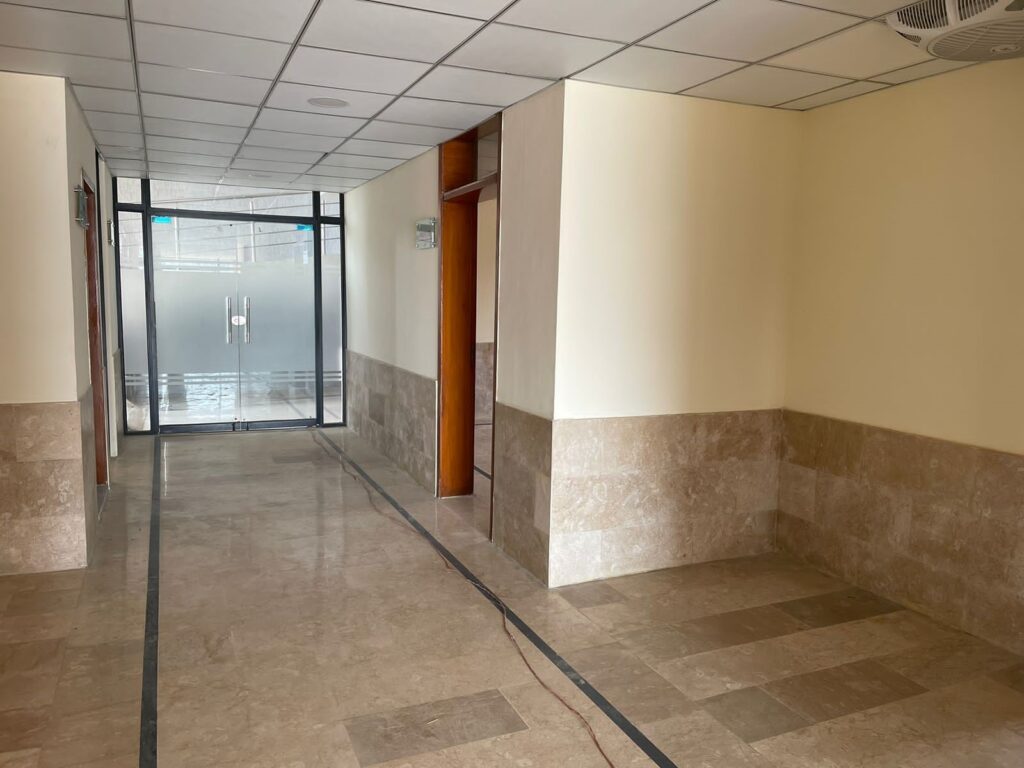
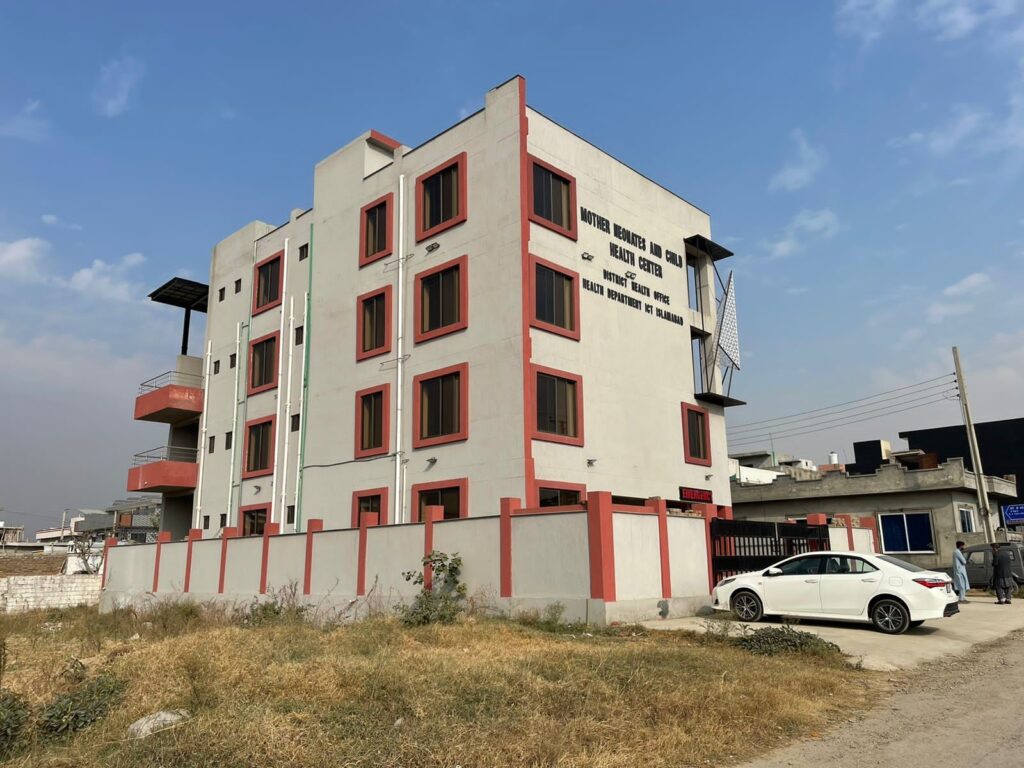

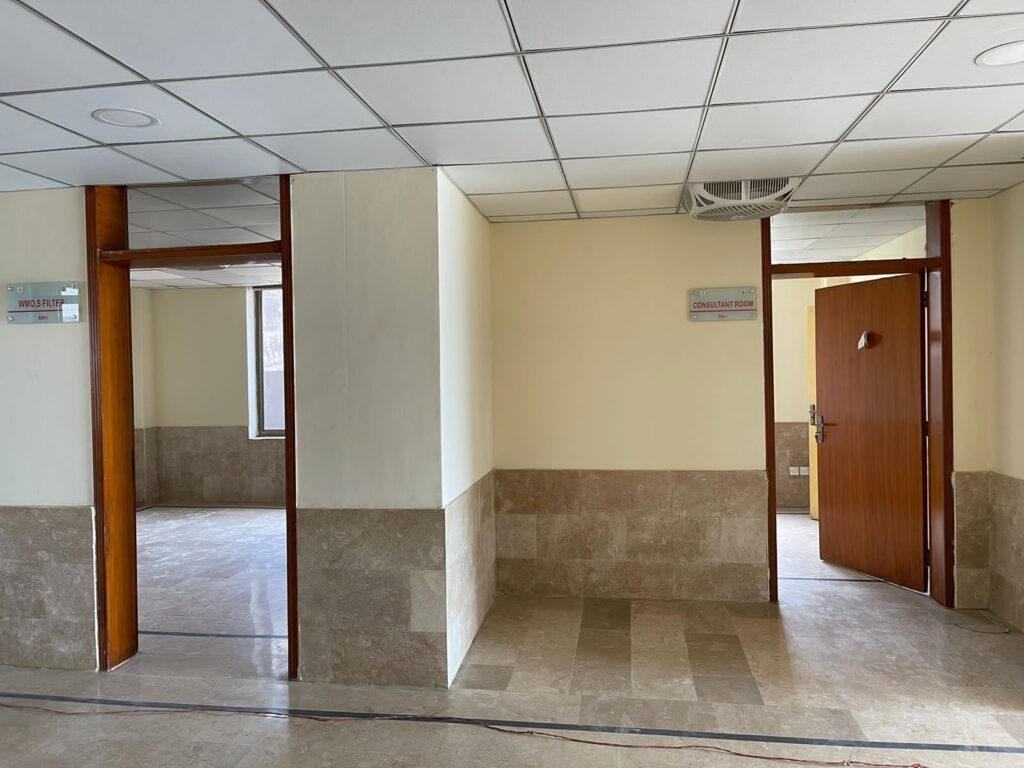
The establishment of a Maternal, Neonatal, and Child Health Center (MNCHC) at Gohra Shahan, Islamabad, is a testament to the commitment to improving healthcare for rural communities. Approved on 28-5-2021, the project is steadily taking shape, with construction now 35% complete. The sight of the emerging structure represents hope for thousands in the area, as it promises access to vital healthcare services. To ensure timely progress, a request for the release of funds has been submitted, and efforts to procure essential physical assets are in full swing. Once operational, the center will become a lifeline for an estimated population of 22,345, significantly easing the strain on other regional healthcare facilities. More than just a building, the MNCHC at Gohra Shahan symbolizes a brighter, healthier future for the community it will serve.
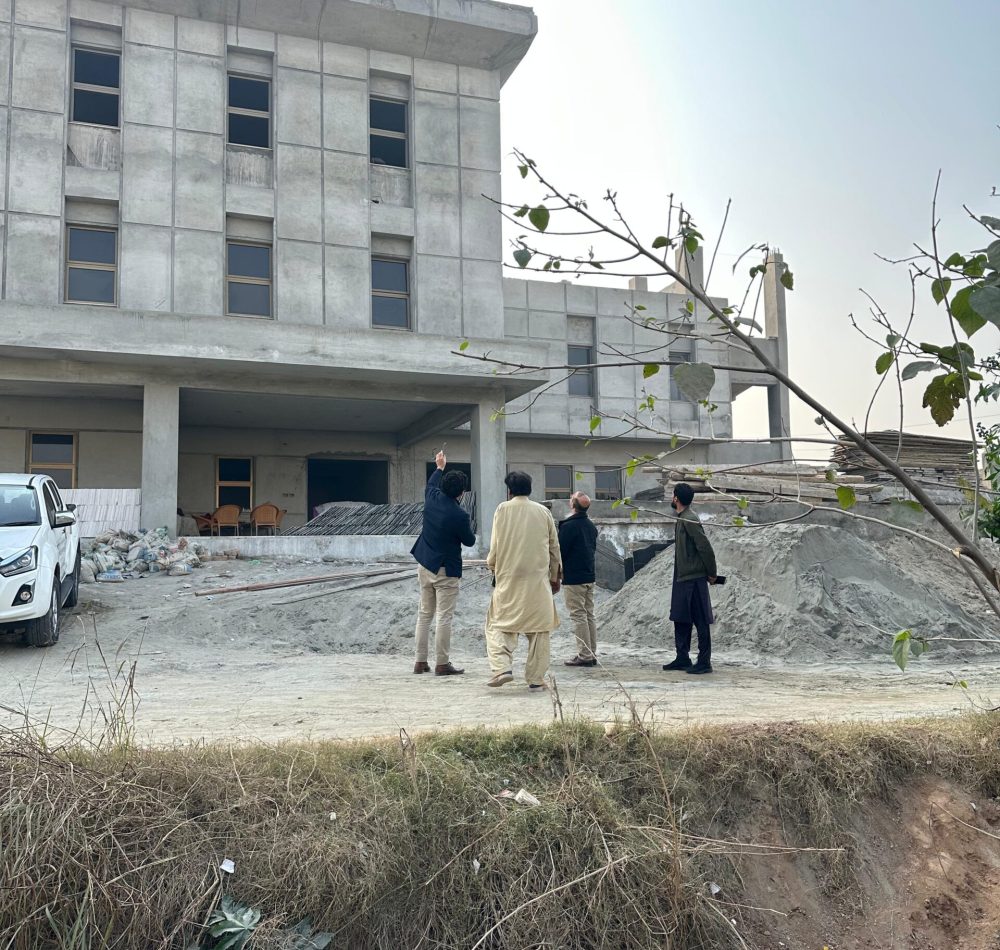
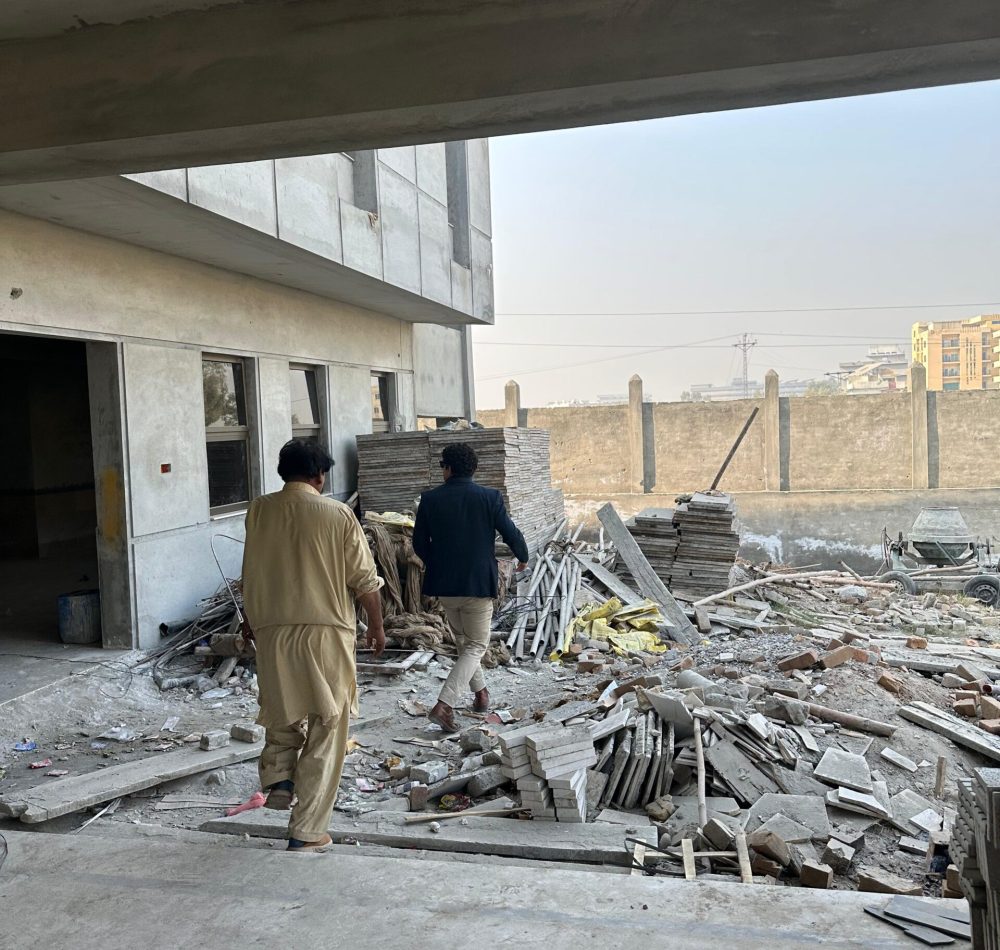
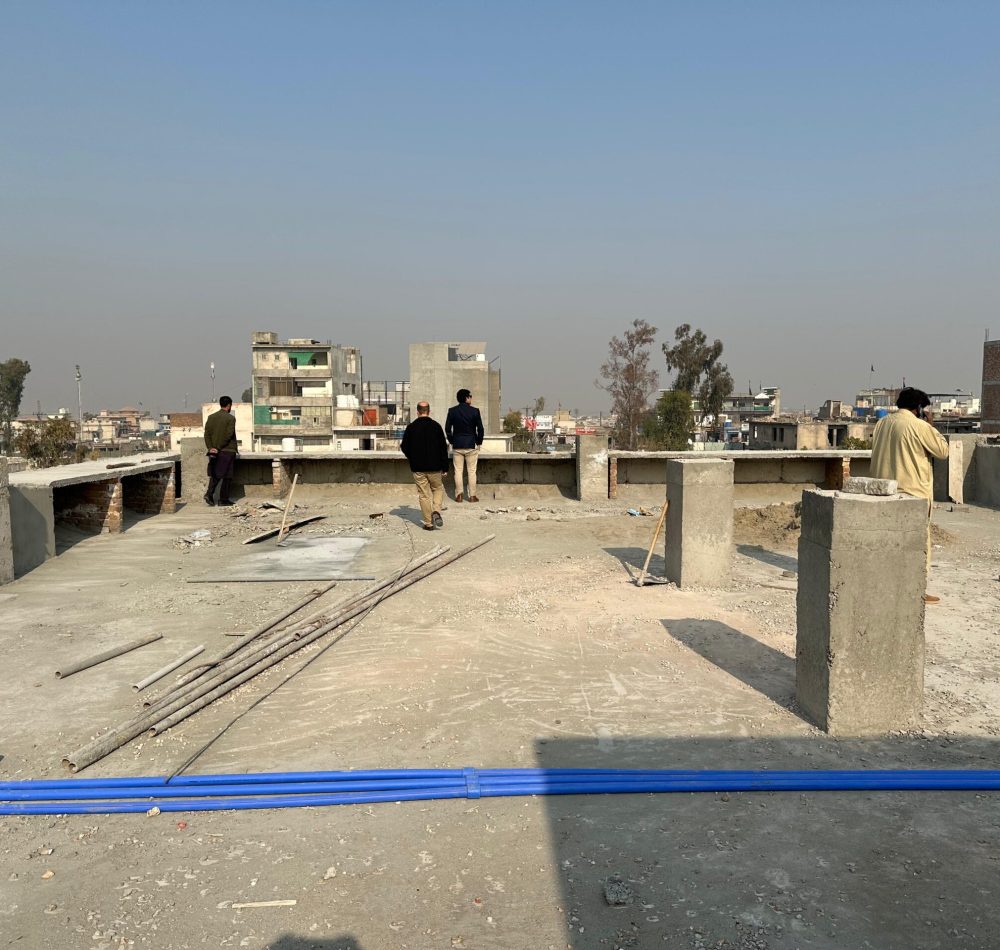
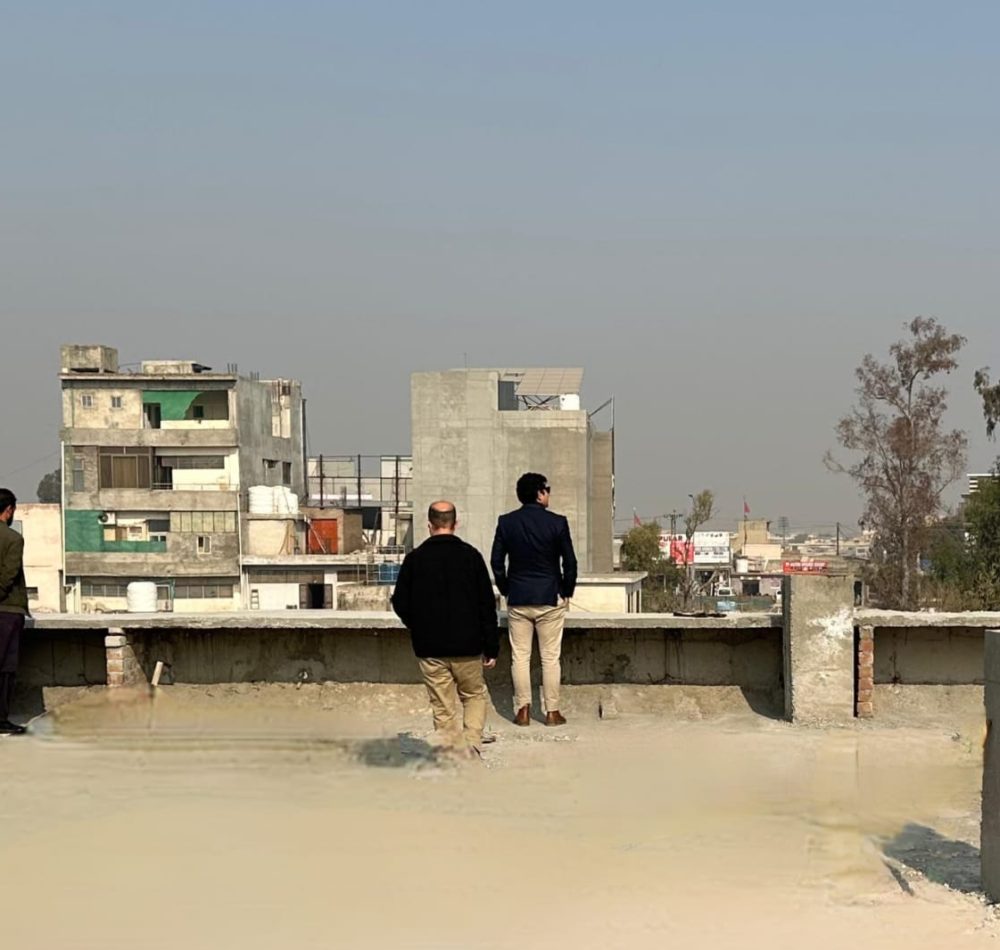
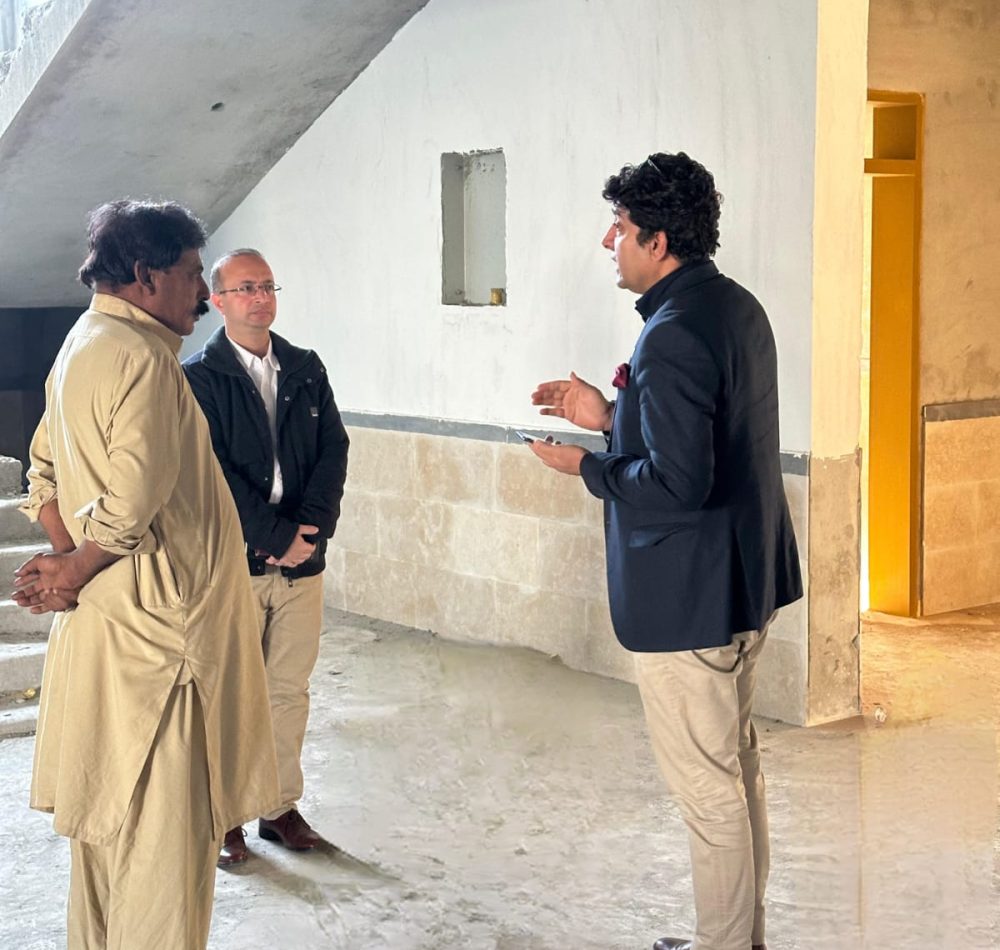
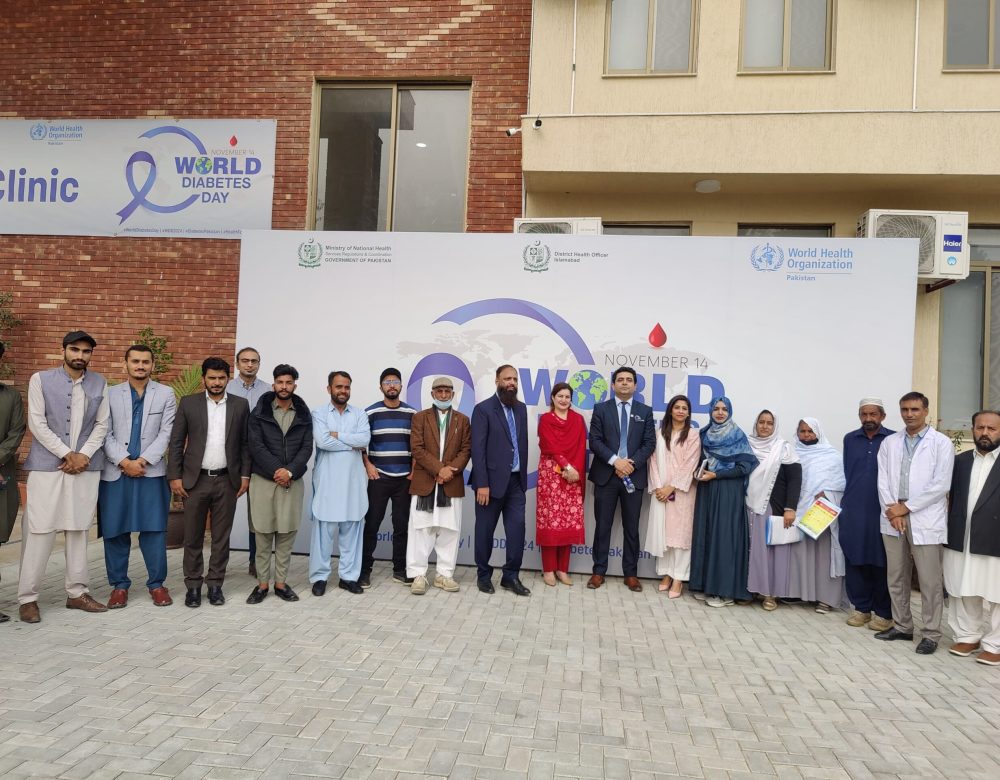
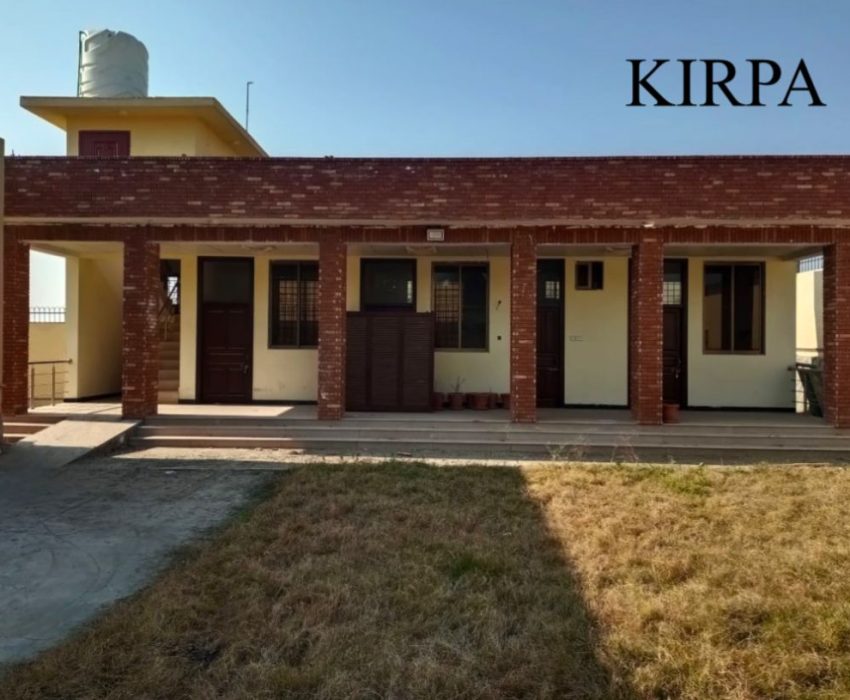
The initiative to strengthen the ICT Health Department for preventing and managing noncommunicable diseases (NCDs) was approved on 16/01/2018. It has established five fixed NCD clinics at CHC G-13, RHC Tarlai, CHC Kirpa, BHU Golra, and CHC Bari Imam, sponsored by WHO, and three non-fixed clinics in G-11, Humak, and Tarnol, sponsored by UNICEF. These clinics address conditions like hypertension, diabetes, cardiovascular diseases, chronic respiratory disorders, and certain cancers. Services include screening, treatment, medication, lifestyle counseling, patient education, follow-ups, and referrals. With construction completed and 69% of physical asset procurement finalized, the project is set to deliver accessible, specialized care and reduce the burden on major hospitals.
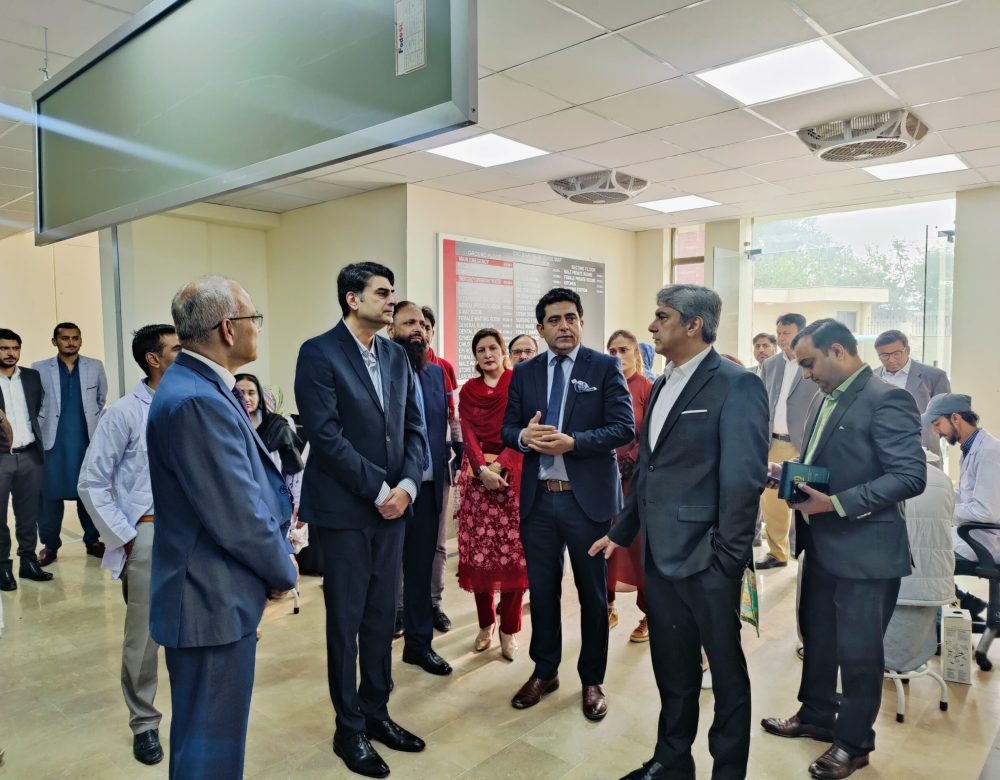
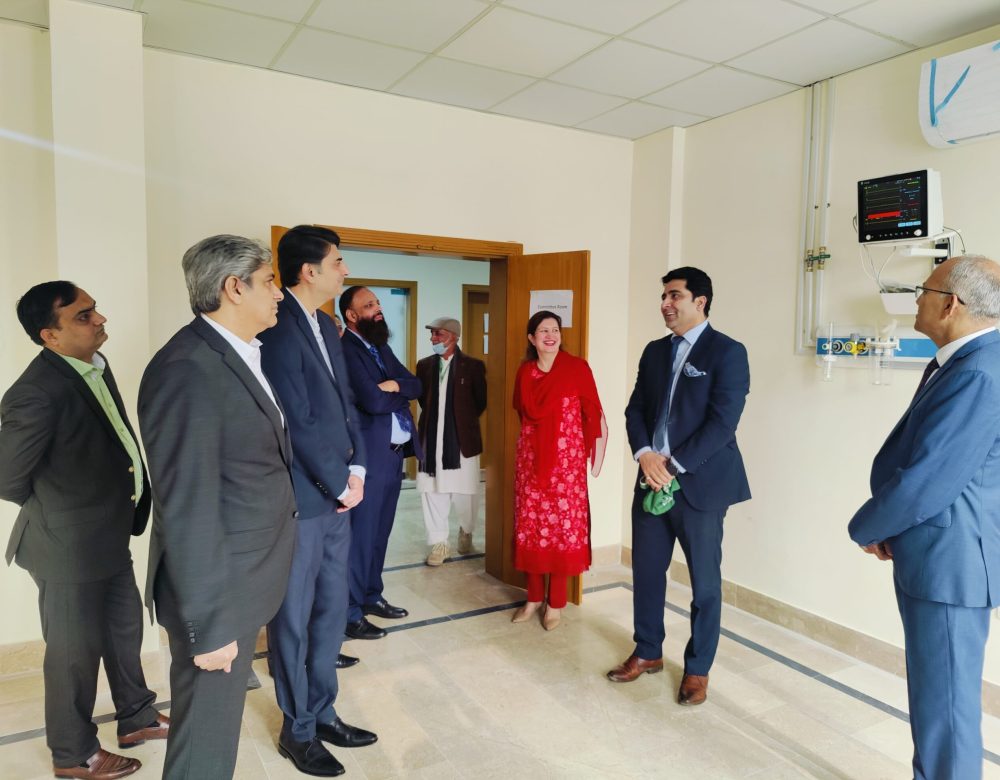
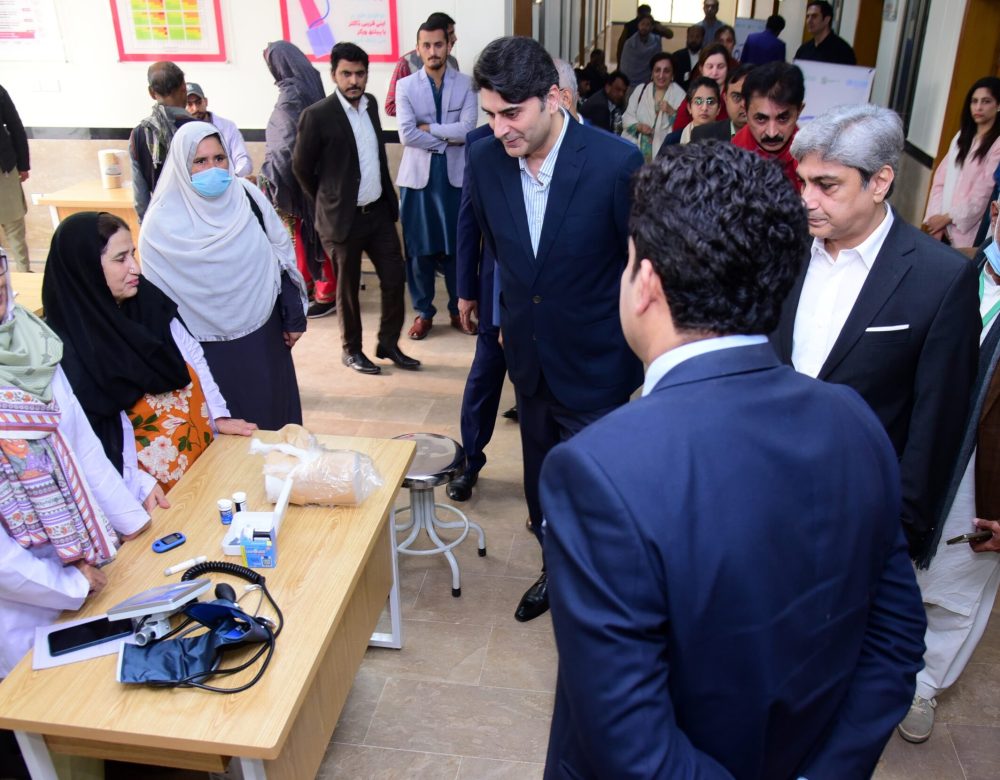
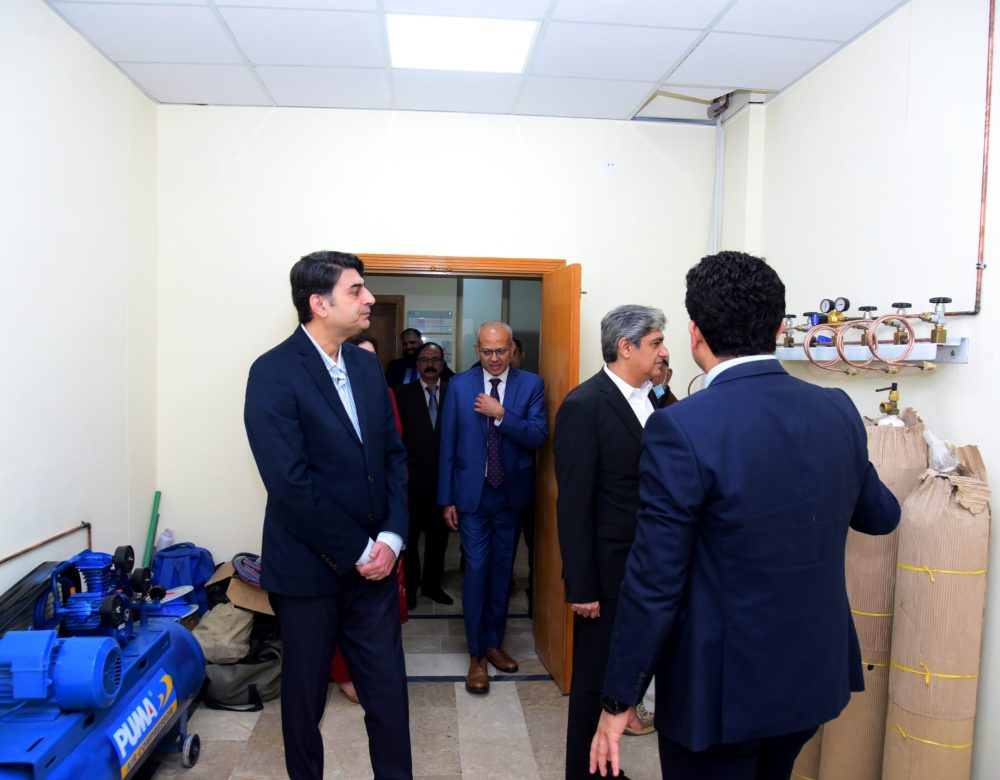
In the bustling community of Bara Kahu, Islamabad, home to an estimated population of 32,531, a transformative project to strengthen mother and child health services is underway. Approved on 21- 10-2021, the initiative aims to provide 24/7 healthcare access to mothers and children in this underserved region. With 65% of the construction completed, the project is gradually taking shape, promising a brighter future for the area’s residents.The Departmental Development Working Party (DDWP) has stepped in to oversee the project and address the challenges. A critical revision of the project’s cost is currently pending approval with the Ministry of National Health Services, Regulations & Coordination (M/o NHSR&C). Once resolved, this project will stand as a beacon of hope, ensuring uninterrupted and essential healthcare services for the growing population of Bara Kahu.
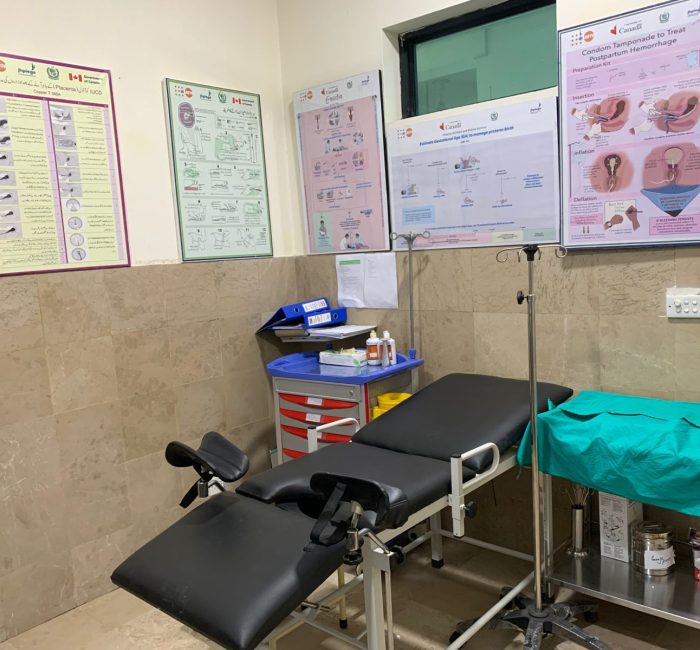
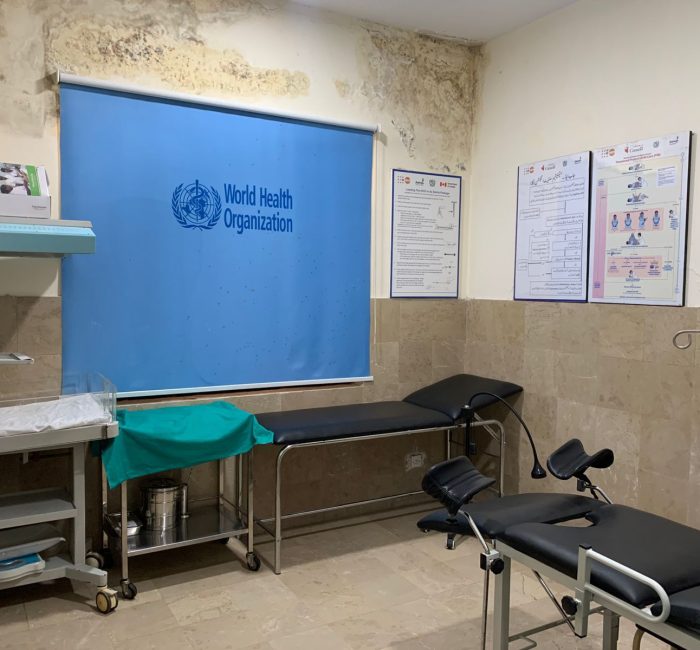
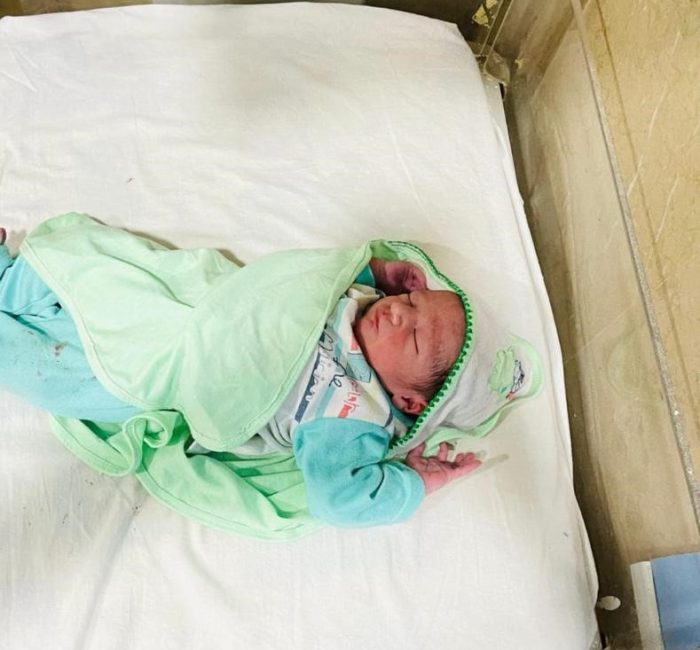
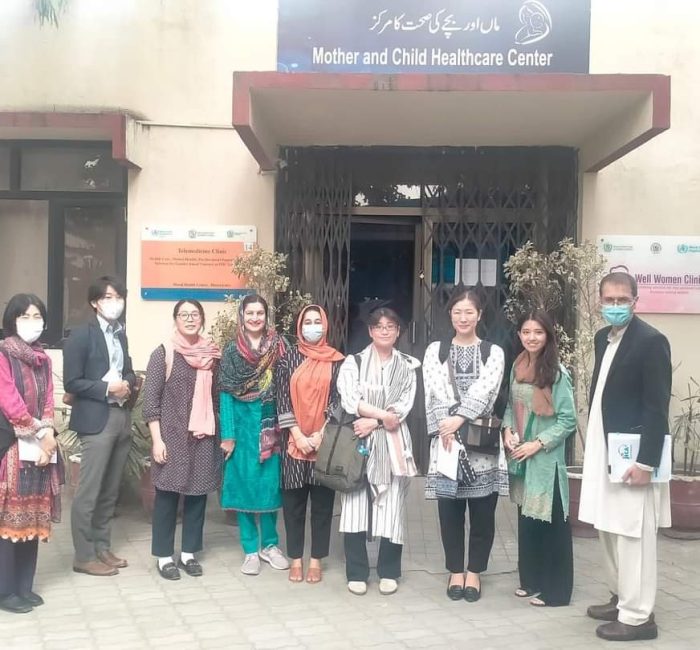
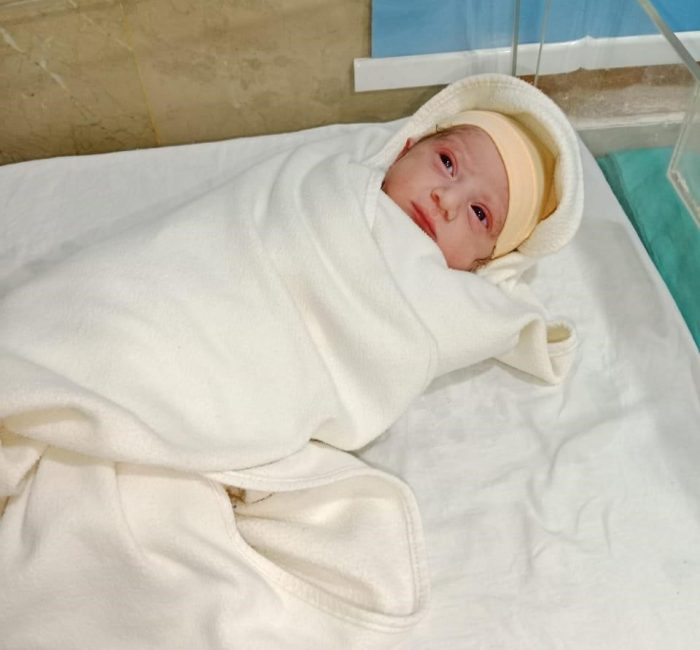
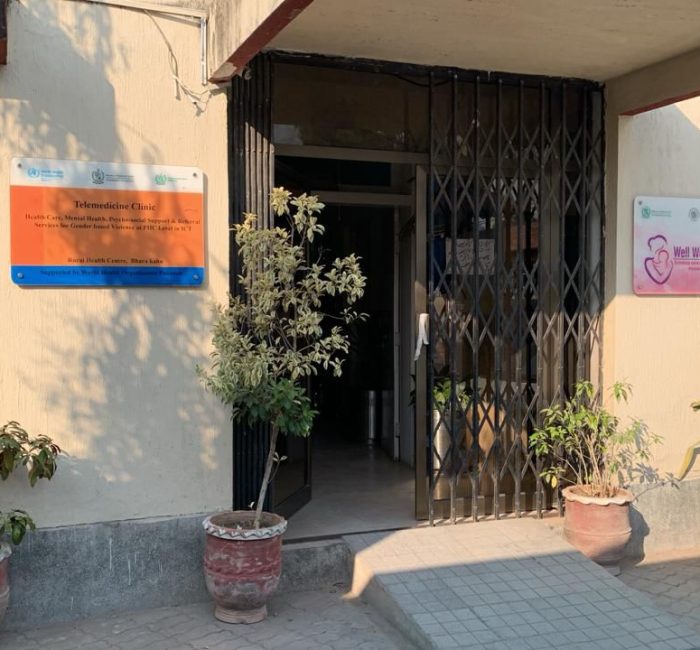
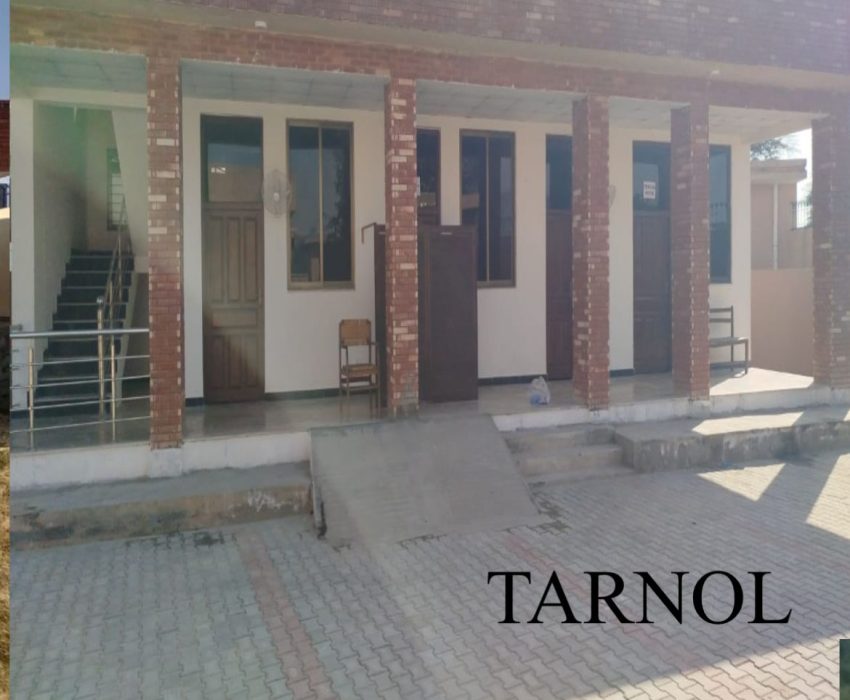
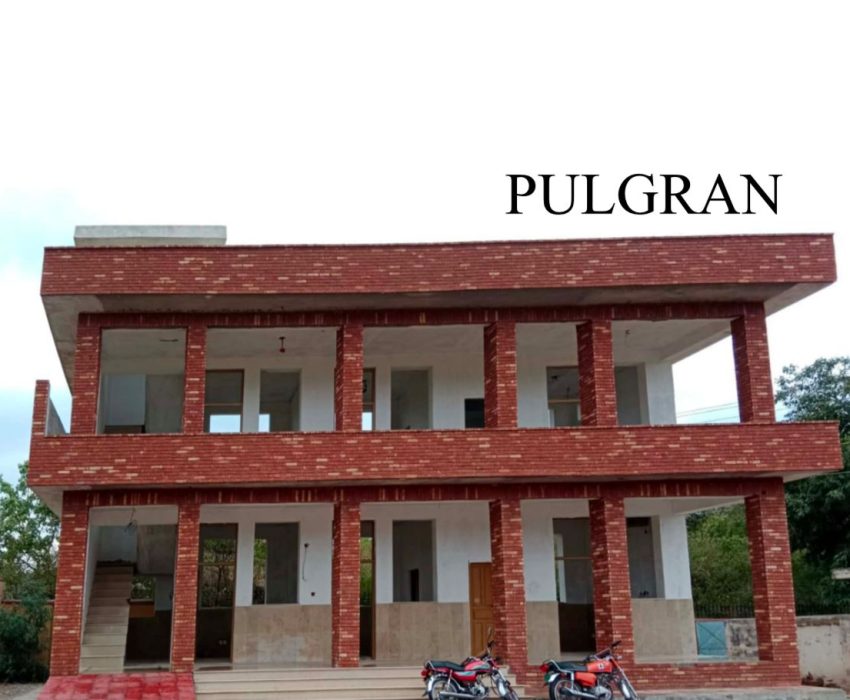
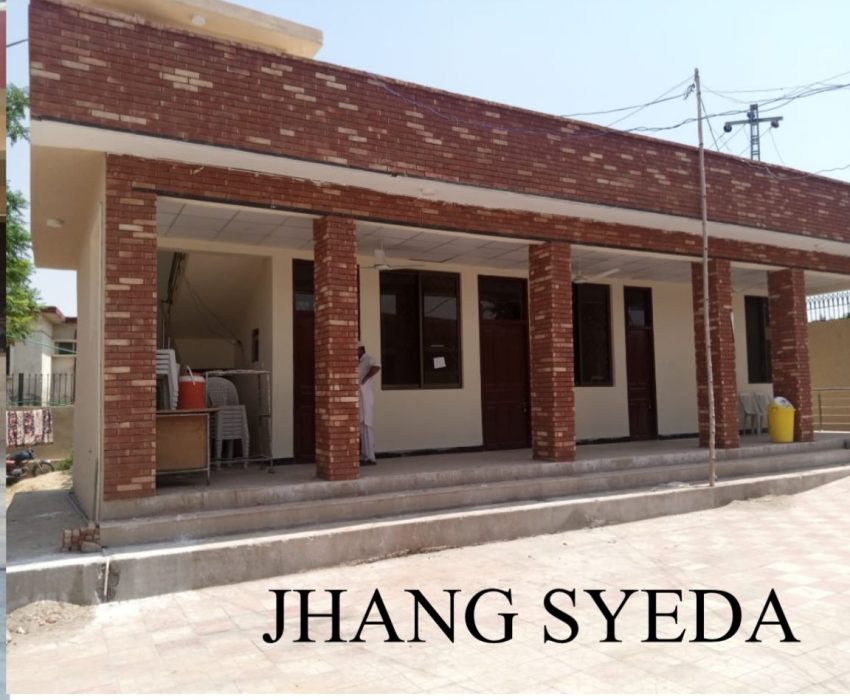
Community Health Centers (CHCs) to provide round-the-clock healthcare services. Additionally, seven BHUs have been upgraded into Well Baby Clinics (WBCs), and one dispensary has also been converted into a WBC. New blocks are being constructed at RHC Barakau, RHC Pind Begwal, and BHUs in Phulgran, Shadra, and Jhang Syedan, featuring OPD rooms, mini-labs, and boundary walls to enhance service capacity and infrastructure. Moreover, the Directorate and District Health Office (DHO) are being established at the Tarlai Rural Health Center (RHC), centralizing administrative functions to streamline healthcare operations and better address rural health needs. Once completed, these upgrades will significantly improve healthcare access and quality for rural communities in Islamabad.
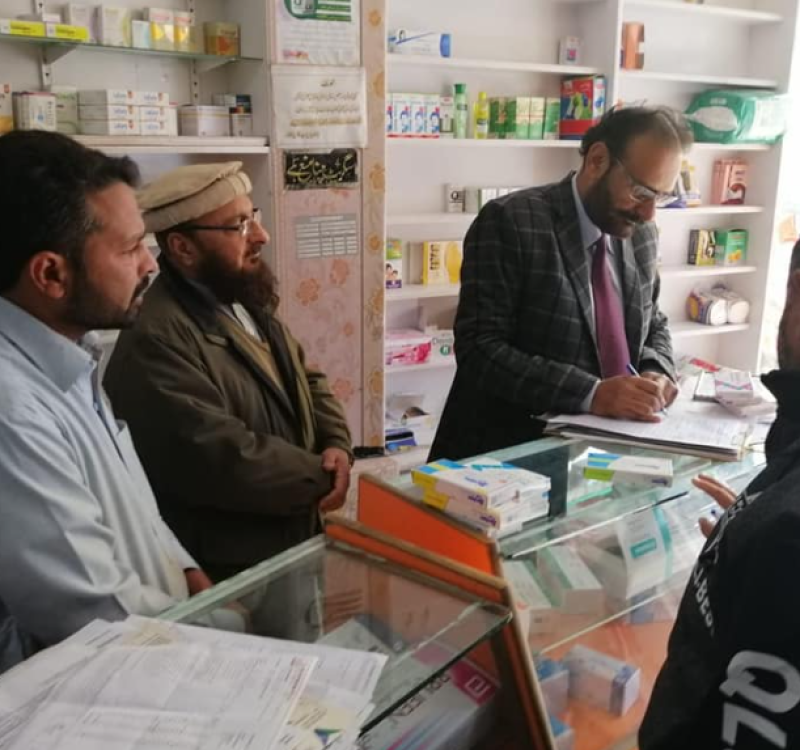
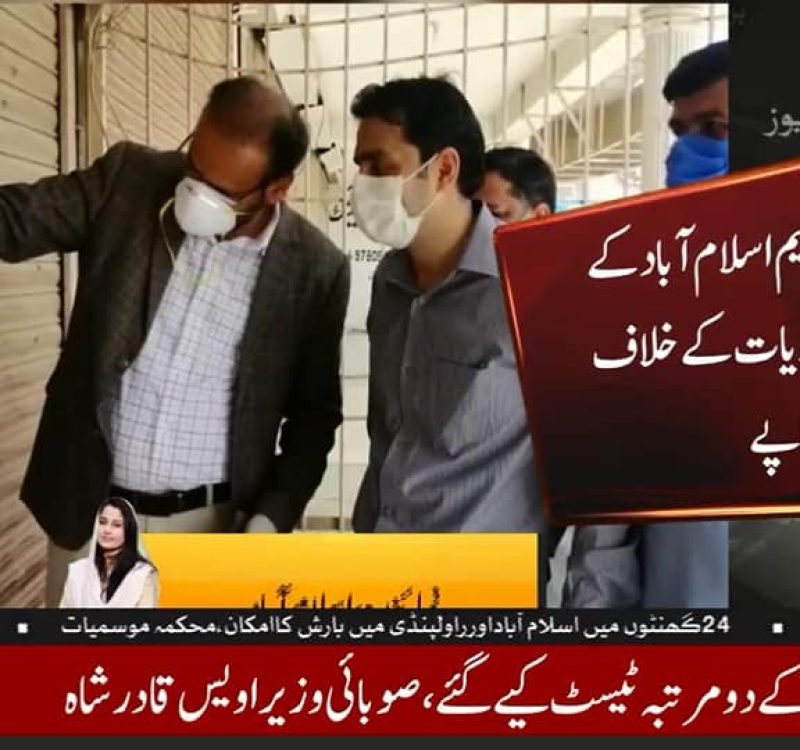
The approval of the Drug Control Section on 13-05-2024 during the DDWP meeting signifies a crucial milestone in safeguarding public health. With recruitment of the necessary human resources currently underway, efforts are in motion to operationalize this vital initiative and enhance the effectiveness of drug monitoring systems. Previously, drug inspections required on-site visits to pharmacies, followed by laboratory verification of expired medicines, a process that was both time-consuming and inefficient. This delay often led to expired medicines remaining in circulation and being sold to unsuspecting consumers, posing a serious health risk. However, the introduction of an innovative device is set to revolutionize the process. This advanced technology can promptly detect safety issues and identify expired medicines, ensuring they are removed from circulation before reaching the public. This development highlights a strong commitment to pharmaceutical safety and the protection of community health.