About Us
DISTRICT HEALTH OFFICE ISLAMABAD
Strengthening Healthcare. Building a Healthier Islamabad.
Serving the health needs of Islamabad through accessible primary healthcare, disease prevention, community engagement and modern public health systems.
DHO Islamabad at a Glance
A statistical overview of the operational landscape, geographical reach, and historical progress of the District Health Office.
ICT
DISTRICT: ISLAMABAD CAPITAL TERRITORY
1981
The Foundation of Capital Care
DHO Islamabad was established to formulate a unified healthcare plan for the rapidly expanding federal capital territory, setting up the framework for public health safety.
2005
Decentralization & Rural Grid
Transitioned to a decentralized framework, launching over 14 Basic Health Units (BHUs) and Rural Health Centres (RHCs) to address health equity in outer sectors.
Today
Premium Public Health Shield
Four Decades of Safeguarding the Federal Capital's Health
Today, DHO Islamabad combines progressive digital healthcare portals with dedicated field-level outreach, ensuring premium healthcare access remains a fundamental constant for every resident across the territory.
A Journey of Transformation
Tracing the pivotal milestones that shaped Islamabad’s healthcare ecosystem from a foundational office to a cutting-edge, digitally-driven public health network.
Establishment & Foundations
The District Health Office (DHO) Islamabad was officially founded, instituting the basic clinical blueprints and deploying initial field teams to secure structured health coverage across the capital.
Healthcare Expansion
Rapid scaling of primary healthcare assets, deploying new Basic Health Units (BHUs) and Rural Health Centers (RHCs) to bridge crucial gaps in underserved peri-urban communities.
COVID-19 Vanguard Response
Integrated Care & Family Welfare
Inaugurated dedicated Family Welfare Centers, introducing an integrated care model blending maternal, child health, and nutritional tracking under unified centers.
Digital Transformation (HMIS)
Transitioned to a modern, paperless workflow utilizing the centralized Hospital Information Management System (HMIS) to optimize patient tracking and asset inventory.
Accessible & Inclusive Health
Standing proud as a robust healthcare model offering decentralized diagnostics, swift emergency management, and universal primary health clinics for all residents.
Strengthening Islamabad’s Healthcare System
Our modern, digital-first public health framework is built on six foundational pillars designed to offer accessible, resilient, and proactive community care.
Healthcare Access
Decentralized Services
Strategically shifting outpatient pressure from central tertiary hospitals to modernized local rural health units.
Digital Transformation
Disease Prevention
Maternal & Child Health
Community Engagement
From Paper to Digital Public Health
Digital transformation has become an important part of modernizing health information, reporting and decision-making across Islamabad.
HMIS
DHIS-2
District Health Information System collecting aggregate statistics for evidence-based governance and interventions.
EDMIS
Epidemiological Disease Monitoring & Surveillance system mapping outbreaks and tracking active biological vectors.
LMIS
Logistics Management Information System regulating medical supplies, vaccine chains, and public inventory levels.
LHW MIS
NIMS
National Immunization Management System recording vaccinations and issuing secure digital immunity certificates.
CCI
Command & Control Integration unifying emergency medical responses and municipal telemetry onto visual dashboards.
Drug Licensing
⚡ **Federal Integration Standard:** All endpoints sync securely in real-time through the centrally managed ICT Gateway, enabling comprehensive telemetry across Islamabad’s health sector.
Protecting Communities During Public Health Emergencies
- COVID-19 Intervention: Strategic implementation of localized smart lockdowns, high-throughput testing facilities, and nationwide immunization coverage.
- Dengue Response Protocol: Targeted mosquito breeding source reduction, active vector surveillance, and localized insecticide fogging.
- Disease Surveillance & Tracking: Integrated digital health reporting systems that closely monitor and flag disease trends for rapid localized containment.
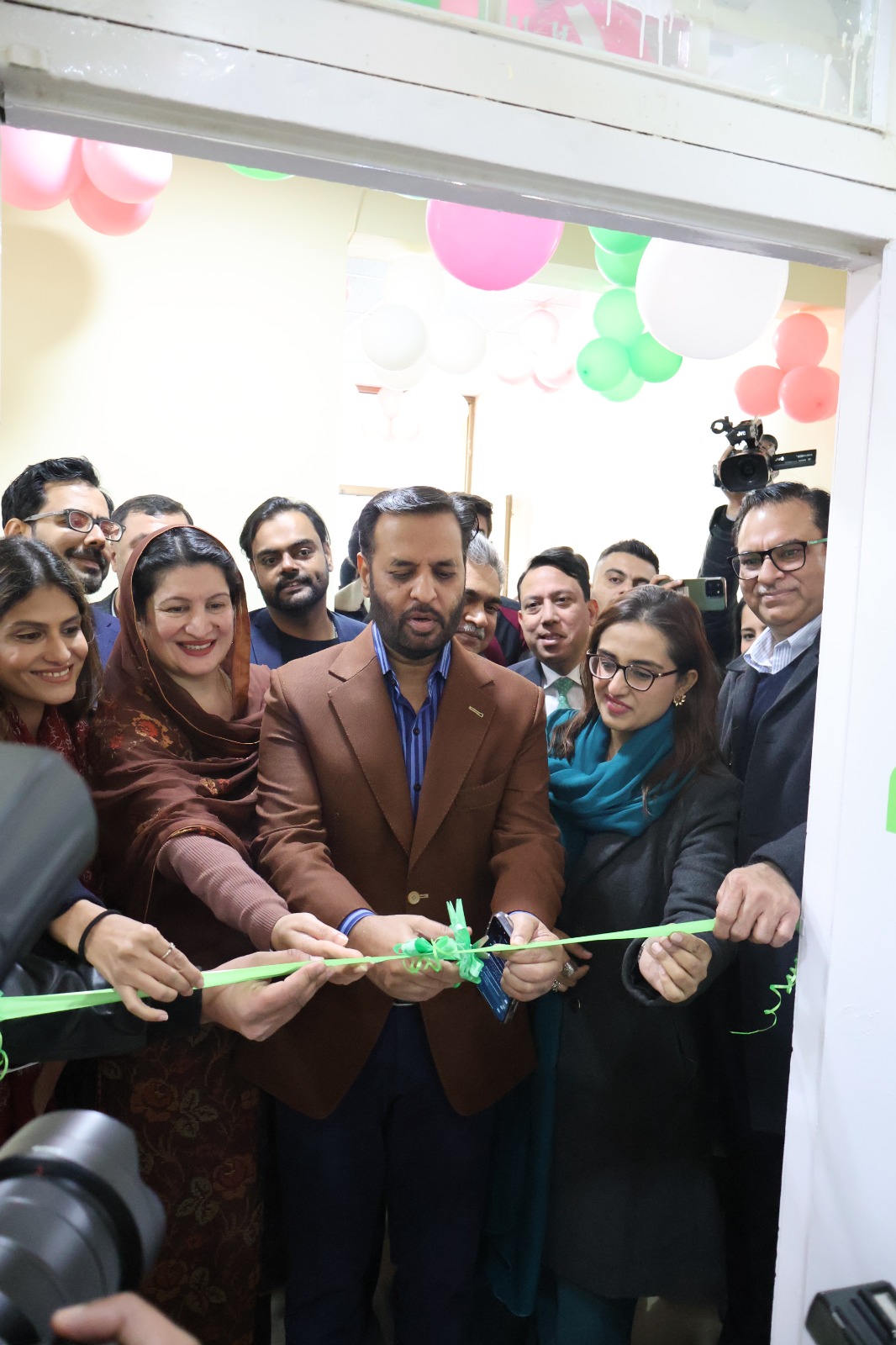
Healthcare Beyond the Facility
Our commitment to wellness extends deep into everyday lives. Through localized intervention, active education, and preventative campaigns, we ensure robust medical support is accessible precisely where communities live, learn, and grow.
Rural Communities
Health Promotion
Family Planning
Maternal Health
Ensuring safe pregnancies with dedicated prenatal checkups, post-natal home visits, and infant care.
Immunization
Disease Prevention
Community Committees
Collaborating closely with neighborhood panels to align regional medical goals with resident needs.
School Health Programs
Working Together for Better Health
In alliance with leading global and national institutions to deliver modern, resilient, and responsive healthcare initiatives.
WHO
World Health Org
UNICEF
Children’s Fund
JHPIEGO
JHU Affiliate
IRF
Research Foundation
RIZ
OUR COMMITMENT
Accessible
Inclusive
Responsive
Community-Centered
Our Departments
Planning & Development
Admin
Accounts
Managing public health budgets, transactions, audits, and financial resource allocation.
Drugs Control
Dengue Control
Procurement
Store
PM Assistance Package
Executing federal healthcare assistance mandates and strategic relief programs.