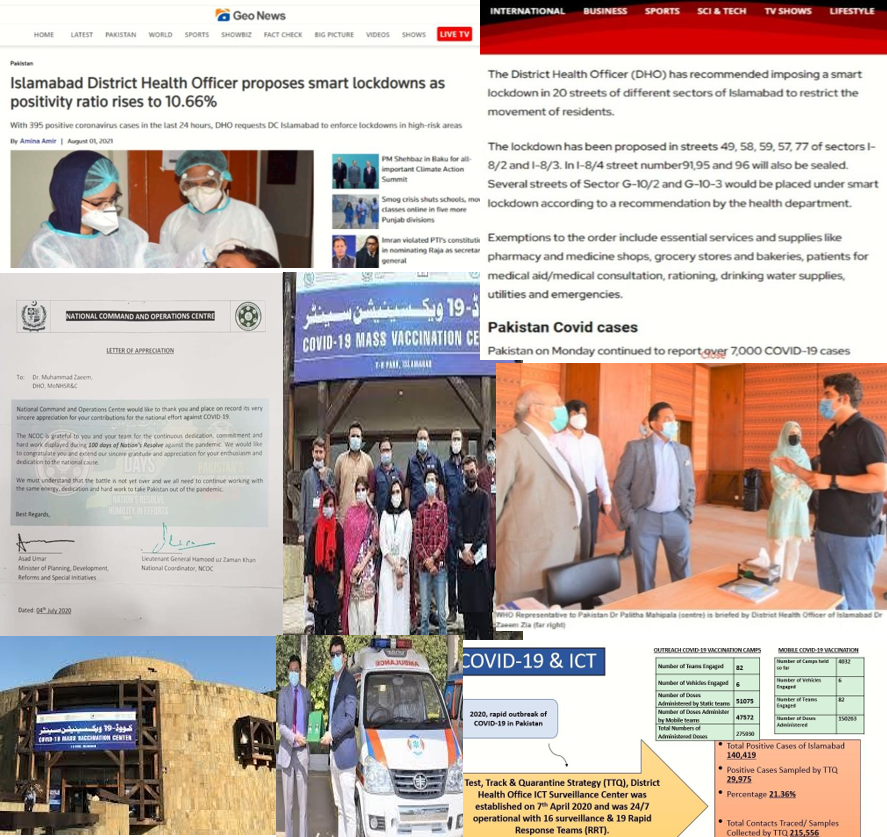
The lessons of the pandemic underscore a crucial reality: public health infrastructure must remain in a perpetual state of readiness. Rapid, effective mobilization is not built overnight—it is forged through continuous evaluation, robust data systems, and institutional memory.
Establishing automated data pipelines enables us to pinpoint transmission vectors and anomalies before they saturate local triage centers. Real-time diagnostic tracking remains our front line of defense.
Silos dissolve in an emergency. By standardizing communication channels across municipalities, military medical divisions, and non-profits, we build an elastic responder network ready for sudden deployment.